
Author: Site Editor Publish Time: 29-04-2026 Origin: Site
The global knitwear market is projected to reach USD 97.8 billion by 2027, growing at a compound annual growth rate of 4.2% from its 2022 baseline. This growth reflects increasing consumer demand for versatile, comfortable, and fashionable knit garments across both luxury and mass-market segments. As brands and retailers expand their knitwear offerings, understanding the end-to-end manufacturing process has become essential for procurement managers, product developers, and fashion entrepreneurs who want to source intelligently, control quality, and reduce time-to-market. From initial yarn selection to the final finished garment that reaches the consumer, every stage of the knitwear manufacturing process carries decisions that directly affect cost, quality, and brand reputation.
This comprehensive guide walks through each phase of the knitwear production workflow, explaining the technologies, techniques, and quality checkpoints that transform raw fiber into the sweaters, cardigans, and knitted outerwear found in retail stores and e-commerce platforms worldwide. Whether you are a first-time buyer entering the knitwear sourcing world or an experienced supply chain professional looking to refine your process, this article provides the operational clarity needed to make informed decisions at every step.
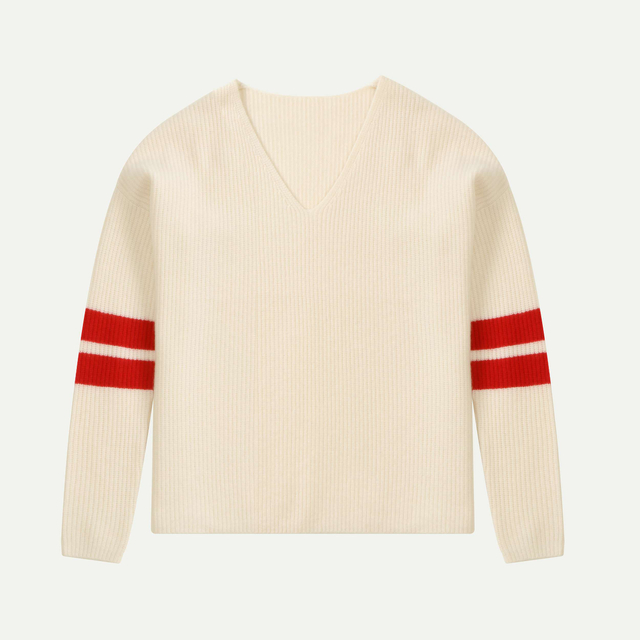
The knitwear manufacturing process is a sequential series of production stages that convert textile fibers into finished knitted garments. Unlike woven fabric production, where threads are interlaced at right angles on a loom, knitwear is created by looping yarn through interlocking stitches using specialized knitting machines or hand-knitting techniques. This fundamental difference in construction gives knit fabrics their characteristic elasticity, breathability, and drape, which are highly valued in sweater and cardigan production.
The process begins with yarn sourcing and extends through design, knitting, linking, finishing, and quality inspection. Each stage requires specific machinery, skilled labor, and rigorous quality control protocols. In modern commercial knitwear factories, computerised flat-bed knitting machines and circular knitting machines perform the majority of production, while hand-linking and hand-finishing operations add the craftsmanship touches that distinguish premium garments from budget alternatives. Understanding this full cycle is critical for anyone involved in the procurement or production planning of women's sweater and men's sweater categories, as each decision along the chain influences the final product quality and market viability.
Flat-bed knitting machines hold needles in a flat plane, allowing them to produce flat pieces of fabric that are later assembled into garments. This system is ideal for producing full-fashioned knitwear, where each panel is shaped during knitting to match the garment's design contours. Full-fashioned knitting minimises fabric waste and produces garments with cleaner seams. Flat-bed machines are the preferred choice for medium to high-end sweater production, including complex cable patterns, intarsia designs, and fine-gauge knitwear.
Circular knitting machines produce continuous tubes of fabric, making them highly efficient for producing large volumes of basic sweater bodies and sleeves. While circular knitting offers superior productivity for simple styles, it typically requires more fabric cutting and assembly, which can affect the precision of fit compared to full-fashioned methods. Circular-knit garments are common in the fast-fashion segment where cost efficiency and speed are paramount.
Advanced computerised knitting machines can now produce complete garments in a single process without sewing or linking, a technique known as whole-garment knitting. This technology eliminates seam construction entirely, resulting in garments with superior comfort and aesthetics. While the machinery investment is substantial, whole-garment knitting is increasingly adopted by premium knitwear brands seeking to differentiate through innovation and craftsmanship.
Understanding the advantages of investing in professionally managed knitwear manufacturing helps buyers and brand managers justify sourcing decisions and supplier partnerships.
Professional knitwear factories employ trained technicians and automated monitoring systems that maintain consistent stitch density, tension, and yarn feeding throughout production runs. This consistency translates into garments that match design specifications across hundreds or thousands of units, reducing returns, complaints, and brand reputation damage. Computer-aided design integration means that the specifications created by designers are transmitted directly to production machines with minimal manual interpretation, eliminating a major source of quality variation that plagues less advanced manufacturing operations.
Modern computerised knitting machines can execute intricate stitch patterns, colourwork, and shaping instructions programmed through digital design files. This enables brands to offer diverse product lines ranging from simple crew-neck sweaters to complex jacquard knitwear without requiring separate tooling investments for each design variation. The ability to program complex patterns once and replicate them precisely across unlimited production runs transforms the economics of knitwear design, making exclusivity and complexity affordable at previously impossible volumes.
Factories that manage the full production chain from yarn procurement to finishing under one roof eliminate the markup costs and logistical delays associated with outsourcing individual processes. Integrated facilities also provide better traceability, making it easier to identify and resolve quality issues before garments are packed for shipment. The elimination of transit damage, miscommunication between separate service providers, and scheduling conflicts that plague fragmented supply chains delivers measurable operational advantages that translate into competitive pricing for buyers.
Streamlined production workflows, combined with digital communication of design files directly to knitting machines, significantly reduce the lead time between design approval and finished sample or production delivery. In an industry where trend responsiveness is a competitive advantage, faster time-to-market can translate directly into improved sales performance. Integrated sample development workflows that coordinate design, knitting, linking, and finishing within a single facility can reduce sample lead times by 30 to 50% compared to multi-vendor sample development chains.
Leading knitwear manufacturers are increasingly adopting eco-friendly materials, water-efficient dyeing processes, and waste-minimisation techniques such as whole-garment knitting that eliminate fabric off-cuts. Partnering with factories that prioritises sustainable practices helps brands meet growing consumer and regulatory expectations around environmental responsibility. This includes investment in renewable energy, wastewater treatment systems, chemical management protocols aligned with ZDHC MRSL standards, and programmes to maximise material utilisation and minimise production waste.
The knitwear manufacturing process relies on a combination of mechanical and digital technologies that work together to transform yarn into finished garments.
The process begins in the design studio, where fashion designers create sketches and concept illustrations. These are translated into technical specification packs that include detailed measurement charts, stitch pattern charts, colourway specifications, and construction notes. In modern factories, 3D knitting software allows designers to simulate how a garment will look and fit before any physical sample is produced, reducing costly sample iterations. Virtual sampling also eliminates the material waste associated with physical prototype production, aligning design processes with sustainability objectives.
Design specifications are converted into digital machine programs that instruct knitting machines on stitch selection, patterning, and shaping. Computer-aided design (CAD) systems enable precise control over every parameter of the knit structure, from gauge and stitch density to colour placement and texture effects. The digital file is loaded directly into the knitting machine, eliminating manual setup errors and enabling rapid design changes that would require extensive retooling in conventional production environments. This digitisation of the design-to-production pathway is one of the most transformative developments in modern knitwear manufacturing.
The core knitting process involves rows of needles drawing yarn loops through previously formed loops to create the knit fabric. On flat-bed machines, the carriage or carriage assembly moves across the needle bed, feeding yarn according to the programmed pattern. On circular machines, the cylinder rotates while sinkers and needles work in synchronised rhythm. The choice of machine type depends on the garment design, desired gauge, and production volume requirements. Experienced operators monitor machine performance throughout production runs, making micro-adjustments to yarn tension and stitch settings that maintain consistent quality across entire batches.
After knitting, individual fabric panels must be joined to form the complete garment. Linking is the process of connecting panel edges using a special linking machine that stitches seams with a flat, comfortable finish. Hand-linking, performed by skilled operators, produces the highest quality seams used in premium sweater construction. Serging and flat-lock stitching are alternative seam methods used in more cost-sensitive production runs. The choice of seaming method significantly affects the garment's appearance, comfort, durability, and cost, making it an important specification decision for buyers and designers alike.
Knitted garments undergo washing and finishing processes to stabilise the fabric dimensions, remove processing oils, and achieve the desired hand-feel and appearance. Finishing operations may include brushing to raise a soft nap, anti-pilling treatment to improve fabric durability, and final pressing or steaming to shape the garment. For coloured knitwear, piece-dyeing or yarn-dyeing processes add the final colour layer. Professional finishing departments apply exacting quality standards to ensure that each garment meets specifications for colour consistency, dimensional stability, hand-feel, and appearance before proceeding to final inspection and packing.
The versatility of the knitwear manufacturing process enables production across a wide spectrum of garment categories and market segments.
The largest application category includes everyday sweaters, pullovers, and cardigans designed for casual wear. These garments prioritise comfort, easy care, and affordable price points, typically produced using circular knitting or simplified flat-bed methods with medium-gauge yarns. Women's sweater lines in this category often feature relaxed fits, soft colour palettes, and easy-maintenance fibre blends that meet the practical needs of daily wear while maintaining the aesthetic appeal consumers expect from knitwear.
Knitwear designed for professional environments emphasises refined aesthetics, shape retention, and wrinkle resistance. Fine-gauge knitwear produced on high-speed flat-bed machines offers the tailored appearance of woven shirts while providing the comfort advantages of knit fabrics. Merino wool and cashmere blends are popular choices for premium business knitwear lines where quality perception and durability are essential for maintaining a professional image over repeated wear cycles.
Technical knitwear incorporates performance fibres and functional finishes to deliver moisture-wicking, thermal-regulating, and odour-resistant properties. These garments serve outdoor recreation, athletic training, and workwear applications where performance attributes add meaningful consumer value beyond aesthetics. The performance knitwear segment is one of the fastest-growing areas of the knitwear market, driven by consumer demand for versatile clothing that transitions seamlessly between activity contexts.
The luxury segment represents the highest expression of knitwear manufacturing craftsmanship, featuring hand-finished details, rare fibres such as baby cashmere and vicuna, and complex knitting techniques including intarsia, cable, and whole-garment construction. Brands in this segment work closely with specialist factories that maintain the highest standards of quality and exclusivity, often developing proprietary yarn blends, stitch patterns, and finishing techniques that create distinctive product signatures.
When evaluating knitwear manufacturers, buyers should consider a range of quality, capability, and service factors that vary significantly across supplier types.
Specification | Spring River Knitting | Competitor A (Mid-Market Factory) | Competitor B (Fast-Fashion Supplier) | Industry Average |
|---|---|---|---|---|
Minimum Order Quantity | 100–500 units | 500–1,000 units | 2,000+ units | 500–1,000 units |
Lead Time (Standard) | 4–6 weeks | 6–8 weeks | 10–14 weeks | 6–10 weeks |
Knitting Technology | Computerised flat-bed + circular | Primarily circular | Mass circular | Mix |
Full-Fashion Capability | Yes | Limited | No | Partial |
Whole-Garment Knitting | Available | No | No | Rare |
Quality Inspection Points | 8 checkpoints | 4 checkpoints | 2 checkpoints | 4 checkpoints |
Sustainable Certifications | GOTS, OEKO-TEX | OEKO-TEX only | Limited | Mixed |
Sample Development Time | 7–10 days | 14–21 days | 21–30 days | 14–21 days |
Yarn Traceability | Full traceability | Batch traceability | Limited | Partial |
Design Support | Full technical pack service | Basic support | None | Basic |
Finishing Capabilities | Full-service (wash, dye, finish) | External partners | External partners | Varies |
The knitwear industry is undergoing significant transformation driven by technological innovation, shifting consumer preferences, and sustainability imperatives.
Digital knitting adoption is accelerating. Computerised knitting machines now account for over 60% of commercial knitwear production globally, up from approximately 45% five years ago. The ability to produce complex designs without manual retooling is making small-batch production economically viable, supporting the broader trend toward inventory minimisation and demand-driven manufacturing.
Sustainable knitwear is moving from niche to mainstream. Consumer research indicates that over 70% of apparel shoppers consider sustainability attributes when purchasing knitwear, and major retailers have committed to increasing the share of sustainable fibres in their knitwear lines. Recycled wool, organic cotton, and responsibly sourced cashmere are gaining market share rapidly as consumers increasingly reward brands that demonstrate environmental responsibility.
Nearshore and regional production is growing. Geopolitical disruptions, shipping cost volatility, and sustainability concerns are prompting brands to diversify their knitwear sourcing away from single-source Asian production toward regional manufacturing clusters in Eastern Europe, North Africa, and Central America.
Performance knitwear is expanding beyond sports. Technical knitwear originally developed for athletic applications is increasingly integrated into everyday and professional wardrobes, driven by consumer interest in versatile clothing that transitions seamlessly between activity contexts.
For buyers entering the knitwear sourcing market or seeking to optimise their existing supply chain, the following framework provides a structured approach to supplier evaluation and project management.
Before approaching manufacturers, establish detailed specifications for your knitwear line. Key parameters include the garment style and silhouette, target price range and cost ceiling, required fibre composition and quality grade, desired gauge and knit structure, colour and dyeing requirements, sizing range and fit model, and order quantity and delivery timeline. Clear specifications enable manufacturers to provide accurate quotations and reduce the risk of misaligned expectations.
Assess the supplier's knitting technology portfolio, including the types and gauge ranges of available machines. Verify that the factory has demonstrated experience producing garments similar to your design requirements. Request to review their quality management system documentation, including inspection protocols, certification records, and relevant client references. Visiting the factory in person or through a trusted third-party inspection service provides the most reliable assessment of operational capabilities and working conditions.
Commission development samples before committing to full production orders. Evaluate the samples against your technical specifications, paying close attention to stitch uniformity, seam quality, dimensional stability after washing, colour consistency, and overall finish. Request samples in the actual production yarn and construction method you plan to use, not in substitute materials or simplified construction.
Request itemised quotations that break down costs for yarn procurement, knitting, linking or seaming, finishing, packaging, and quality inspection. Clarify responsibility for sample development costs, pattern fees, and tooling charges. Establish clear payment terms, quality inspection checkpoints, and defect acceptance thresholds before placing orders. Building a transparent, written agreement protects both parties and provides a reference framework for resolving any disputes.
Implement quality checkpoints at incoming yarn inspection, post-knitting inspection, post-linking inspection, finished garment inspection, and pre-shipment inspection. Use internationally recognised inspection standards such as AQL (Acceptable Quality Level) to define acceptable defect rates. Specify inspection plans in your purchase agreement to ensure consistent quality standards across production runs.
Beyond individual transaction management, building a strategic approach to knitwear sourcing delivers compounding benefits over time.
Manufacturers who view buyers as long-term partners are more likely to prioritise your orders, share innovation insights, and offer favourable pricing for consistent volume commitments. Annual or semi-annual business reviews help align expectations and identify opportunities for joint product development. Long-term relationships also provide smoother dispute resolution and greater flexibility during unexpected challenges such as material shortages or capacity constraints.
Providing manufacturers with detailed technical packs, reference samples, and clear approval workflows reduces miscommunication and speeds up the development process. Brands that invest in professional technical communication typically achieve shorter sample lead times and fewer production revisions. This investment pays dividends across every production run, compounding over time into meaningful cost savings and quality improvements.
Yarn prices fluctuate based on commodity market conditions, particularly for natural fibres such as wool and cashmere. Staying informed about fibre price trends through industry publications and supplier briefings helps buyers anticipate cost changes and negotiate pricing structures that protect margins during market volatility. Forward purchasing strategies and price hedging arrangements can smooth volatility for brands with sufficient purchasing volume.
Experienced knitwear manufacturers have accumulated deep knowledge of yarn behaviour, stitch engineering, and finishing chemistry. Engaging factory technical teams early in the design process can identify practical production constraints, suggest design modifications that improve manufacturability, and uncover opportunities to enhance product performance at lower cost. The most successful buyer-manufacturer partnerships treat the manufacturer as a creative and technical resource, not merely a production service provider.
What is the typical lead time for knitwear production?
Standard lead times for knitwear production range from 4 to 8 weeks depending on order complexity, yarn availability, and factory capacity. Simple circular-knit garments can often be produced in 4 weeks, while full-fashioned or whole-garment knitwear requiring custom yarn sourcing may take 8 to 12 weeks. Always confirm lead times during the quotation phase, accounting for potential delays in yarn procurement, holiday periods, and quality re-work.
What is the minimum order quantity for knitwear manufacturing?
Minimum order quantities vary by factory and garment complexity. Specialist knitwear manufacturers like Spring River Knitting typically offer MOQs starting at 100 to 500 units per style, making small-batch production accessible for emerging brands. Mass-market suppliers may require 1,000 to 5,000 units per style. Negotiating flexible MOQs with per-unit price adjustments is often possible for committed long-term buyers.
How does gauge affect knitwear quality and cost?
Gauge, expressed as the number of needles per inch on the knitting machine, determines the fineness and density of the knit fabric. Higher gauge (finer needles, more stitches per inch) produces lighter, more refined knitwear but requires more expensive fine yarns and slower knitting speeds, increasing production cost. Lower gauge produces heavier, chunkier fabrics at lower cost. Matching gauge to the garment's intended use and price point is a fundamental design decision.
What certifications should a knitwear manufacturer hold?
Relevant certifications include OEKO-TEX Standard 100 (harmful substance testing), GOTS (Global Organic Textile Standard for organic fibres), WRAP (social compliance), BSCI (social responsibility), and ISO 9001 (quality management systems). For brands prioritising sustainability, verify that the manufacturer can provide yarn traceability documentation and chemical management records.
Why does dimensional stability matter in knitwear?
Knitted fabrics are inherently more elastic than woven fabrics, making dimensional stability a critical quality attribute. Poorly stabilised knitwear can shrink, stretch, or distort after washing, leading to consumer complaints and returns. Professional manufacturers control dimensional stability through proper yarn selection, correct knitting tension, and appropriate finishing processes including pre-shrinking and heat-setting treatments.
What are the key differences between full-fashioned and cut-and-sew knitwear?
Full-fashioned knitwear is knitted to the exact shape of each garment panel, minimising fabric waste and producing clean, shaped edges that require minimal seaming. Cut-and-sew knitwear is produced from knitted fabric sheets that are cut to pattern shapes before assembly, similar to woven garment construction. Full-fashioned methods produce higher-quality, better-fitting garments but at higher cost and with greater technical requirements.
How can I reduce the environmental impact of my knitwear sourcing?
Strategies include selecting recycled or sustainably certified fibres, choosing factories with water-efficient dyeing and finishing systems, specifying low-impact dyes and chemical finishes, minimising trim and packaging materials, and working with manufacturers that offer whole-garment knitting to eliminate fabric waste. Engaging your supplier in sustainability goal-setting and tracking measurable improvements over time strengthens the environmental performance of your supply chain.
The knitwear manufacturing process is a sophisticated, multi-stage operation that transforms raw fibres into some of the most versatile garments in the global fashion market. From yarn selection and computer-aided design through knitting, linking, finishing, and quality assurance, each phase offers opportunities to influence the final product's quality, cost, and market appeal. For buyers, brands, and entrepreneurs engaged in sourcing women's sweater and men's sweater products, understanding these processes provides the operational foundation needed to build successful supplier partnerships and competitive product offerings.
As the knitwear industry continues to evolve toward greater digitalisation, sustainability, and design innovation, factories that invest in advanced technology, skilled craftsmanship, and transparent supply chain practices will deliver the most compelling value to their customers. Whether you are commissioning your first production run or optimising an established supply chain, the principles outlined in this guide—rigorous specification, thorough supplier evaluation, staged quality control, and collaborative communication—will help you achieve consistent, high-quality results that meet both commercial objectives and consumer expectations. Partnering with experienced manufacturers who combine technical expertise with sustainable practices positions your brand to thrive in an increasingly quality-conscious and environmentally aware marketplace.


