
Author: Site Editor Publish Time: 15-09-2026 Origin: Site
Engineering a knit dress presents distinct technical complexities compared to standard woven apparel or basic sweaters. Woven fabrics hold their shape through rigid intersecting yarns. Knitwear relies on interlocking loops that inherently stretch. Managing weight, drape, and elasticity over a longer garment body requires precise mathematical calculation. A minor tension error at the shoulder can cause the entire dress to sag below the intended hemline.
Many apparel brands face a high failure rate when moving from conceptual sketches to scalable manufacturing. This breakdown usually stems from misaligned tech packs, incorrect yarn selection, and vetting failures with offshore or domestic factories. A flat sketch cannot communicate the structural requirements of a 40-inch knit panel. Without exact gauge and tension data, factories rely on guesswork. This leads to unusable prototypes, wasted sampling budgets, and missed seasonal delivery windows.
This technical guide provides a definitive framework for sourcing managers and technical designers to evaluate production methods, mitigate quality risks, and select a capable manufacturing partner for a custom sweater dress line.
Tech Pack Precision is Non-Negotiable: Knitwear requires specialized technical documentation detailing gauge, tension, and yarn composition, not just flat sketches and measurements.
Sampling Dictates Production Viability: The prototyping phase must rigorously test for dimensional stability, pilling, and grading accuracy across all sizes before bulk commitment.
Production Method Impacts Margins: Choosing between fully fashioned knitting and cut-and-sew directly affects material waste, unit cost, and garment perceived value.
OEM Vetting Requires Technical Scrutiny: A reliable partner must demonstrate verifiable expertise in heavy-gauge or fine-gauge machinery specific to dress silhouettes, alongside transparent QA/QC protocols.
Bridging the gap between a designer's aesthetic vision and the mathematical realities of knitwear engineering requires specialized knowledge. A designer may envision a sweeping, floor-length ribbed silhouette. A technical developer must determine if the chosen yarn and stitch structure can physically support that shape without distorting. Successful sweater design and development relies on converting creative ideas into actionable, machine-ready data.
The foundation of any knit garment lies in its stitch architecture. Different stitch types drastically alter elasticity and structural integrity. A plain jersey knit offers a smooth surface but tends to curl at the edges, requiring tubular cast-offs or ribbed trims to stabilize the hem of a dress. Ribbed knits provide high horizontal stretch, making them ideal for form-fitting silhouettes. However, a 2x2 rib will pull inward significantly more than a 1x1 rib, altering the required panel width on the knitting bed.
Cable knits add significant bulk and reduce overall stretch. When engineering a cable knit dress, technical designers must widen the pattern panels to achieve the same fit as a jersey dress. Jacquard structures introduce multiple yarn colors per row, creating a denser, less elastic fabric. Float jacquards leave loose yarns on the inside of the dress, which can catch on jewelry or undergarments, whereas tubular jacquards create a clean, double-layered fabric that adds weight and warmth.
Machine gauge dictates the thickness, weight, and seasonal appropriateness of the garment. Gauge refers to the number of needles per inch on the knitting bed. Selecting the wrong gauge for a dress silhouette guarantees production failure.
Machine Gauge | Needle Density | Typical Yarn Count | Dress Application |
|---|---|---|---|
3GG - 5GG | Low (Chunky) | 1/3Nm to 2/15Nm | Heavy winter sweater dresses, oversized silhouettes, thick cables. |
7GG - 9GG | Medium | 2/28Nm to 2/32Nm | Standard fall/winter dresses, versatile mid-weight fabrics. |
12GG - 14GG | High (Fine) | 2/48Nm to 2/60Nm | Lightweight transitional dresses, fluid drape, form-fitting ribs. |
16GG - 18GG | Ultra-Fine | 2/80Nm and finer | Sheer summer knitwear, delicate pointelle patterns, luxury silk blends. |
Modern knitwear development relies heavily on specialized software. Product Lifecycle Management (PLM) tools maintain style specifications in a centralized database. When a technical designer updates a measurement, the factory sees the change instantly. This eliminates version control errors that plague email-based workflows.
Advanced 3D knitting simulation software, such as Shima Seiki APEX4, revolutionizes the prototyping phase. These programs allow developers to visualize drape and test tension virtually. You can simulate how a specific worsted wool will behave in a 7GG cable stitch before knitting a single physical panel. The software calculates the exact yarn consumption and knitting time required for the dress. This technology reduces physical sampling waste and accelerates the approval timeline.
A knitwear-specific tech pack differs fundamentally from a woven apparel tech pack. Woven tech packs focus on seam construction and fabric yardage. Knit tech packs must detail the exact architecture of the fabric itself. Mandatory components include precise yarn specifications, detailed stitch layouts, and specific linking instructions.
Tension swatches are the most critical element. The tech pack must state the required stitches per inch and rows per inch. Missing tension details lead to unusable first samples. The factory will guess the tension, resulting in a garment that is either too stiff or too loose. This forces multiple rounds of revisions, delaying timelines and inflating development costs.
Selecting the right yarn dictates the garment's hand-feel, durability, and retail viability. Sourcing managers must categorize yarn options based on performance characteristics, raw material costs, and the target demographic for custom knitwear.
Worsted wools offer excellent durability and a smooth finish. The worsted spinning process combs the wool fibers to align them parallel to each other, removing short, fuzzy fibers. This creates a dense, strong yarn highly suitable for structured dresses that must resist pilling. Cashmere blends provide premium softness but require careful handling. Pure cashmere lacks the tensile strength of sheep's wool, making a floor-length pure cashmere dress susceptible to stretching under its own weight.
Synthetic core-spun yarns blend natural fibers around a synthetic filament, such as nylon or elastane. This increases tensile strength and improves shape retention. Sustainable options, such as recycled polyester or organic cotton, meet growing consumer demand for environmentally responsible apparel while offering stable, predictable knitting performance.
Evaluating yarn yield against the target retail price requires objective analysis. Yield refers to the length of yarn per kilogram. A high-yield yarn produces more garments per cone, lowering unit costs. However, high-yield yarns are often thinner, requiring finer machine gauges.
Request testing data for tensile strength to ensure the yarn will not break during the high-speed knitting process.
Check colorfastness ratings to guarantee the dye will not bleed during industrial washing or consumer laundering.
Review abrasion resistance scores (such as the Martindale test) to predict how quickly the garment will pill under normal wear.
Calculate the total yarn weight required for the dress pattern to determine the exact raw material cost per unit.
The physics of a long knit garment present unique challenges. Gravity continuously pulls down on a 40-inch dress panel. Heavier yarns exacerbate this effect. A dress that measures correctly on the cutting table may grow several inches when hung on a hanger or worn by the consumer. This sagging destroys the intended fit.
Engineers combat this elongation through yarn twisting and blending techniques. High-twist yarns possess greater structural stability and resist stretching. Blending a small percentage of elastane into a wool base significantly improves shape recovery. The yarn snaps back to its original length after tension is removed. Factories also utilize specific washing and tumble-drying temperatures to pre-shrink and stabilize the yarn before final measurements are taken.
Tracing raw materials is a mandatory operational standard. Brands must ensure ethical sourcing and regulatory compliance within global supply chains. Certifications provide verifiable proof of origin and processing standards. The Responsible Wool Standard (RWS) ensures sheep are treated humanely and land is managed sustainably. The Global Organic Textile Standard (GOTS) verifies the organic status of textiles from harvesting through environmentally and socially responsible manufacturing.
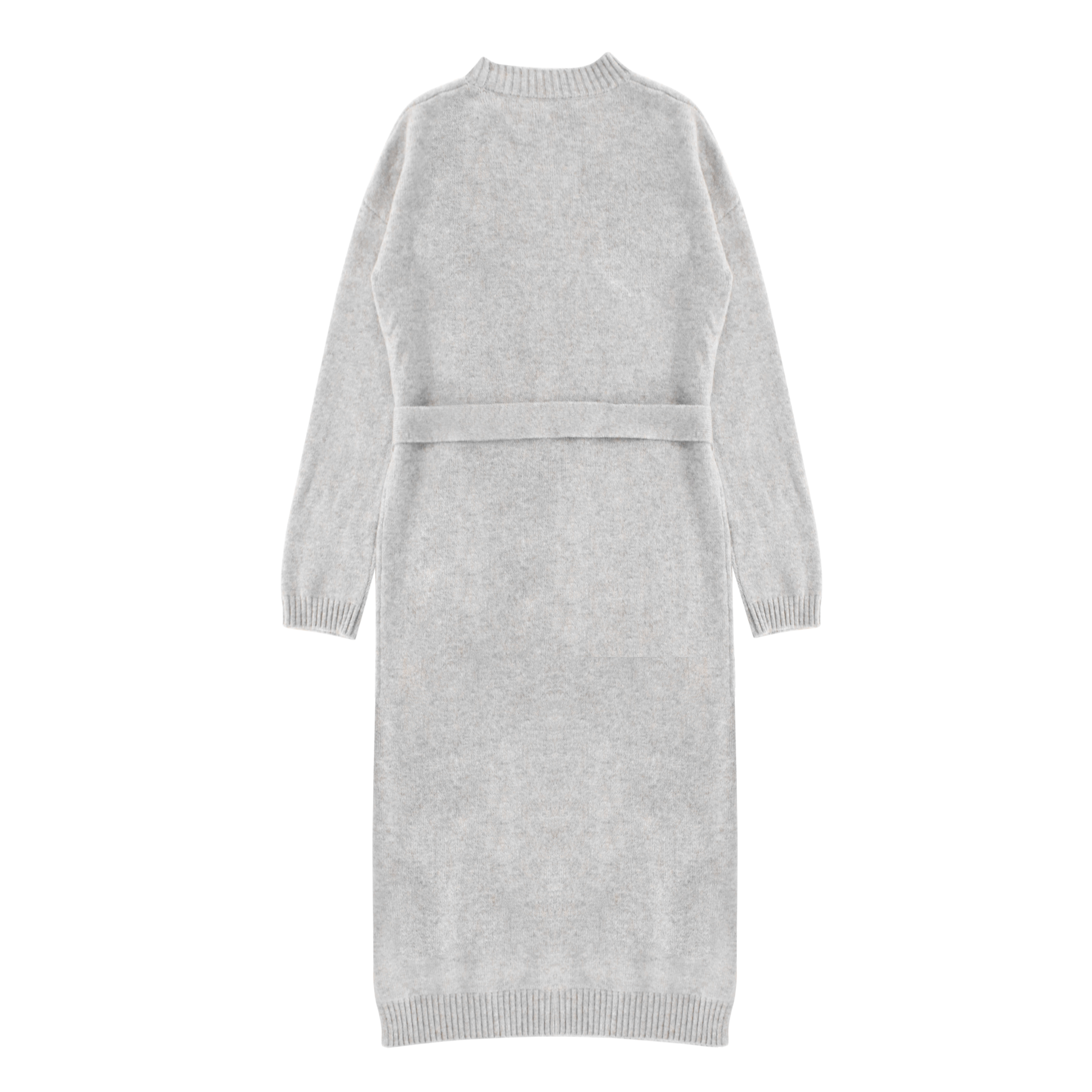
The prototyping phase validates the engineering data contained in the tech pack. It is a systematic review process designed to catch structural flaws before bulk production begins. Skipping steps in this phase guarantees high defect rates on the factory floor.
The first fit sample, or proto, is the factory's initial attempt to execute the tech pack. Technical designers must evaluate this sample against strict success criteria. The review checklist includes:
Stitch density: Does the tension match the requested swatch? Use a magnifying glass and a ruler to count the stitches and rows per inch.
Hand-feel: Is the yarn too harsh? This often indicates the factory skipped the silicone softener bath during the washing process.
Neckline linking: Is the collar attached cleanly without puckering? Puckering means the linker stretched the neckline panel while attaching it to the body.
Seam finishing: Are the side seams secure and properly aligned? Check the tension of the linking thread to ensure it stretches with the fabric.
Iterating from the proto sample to the pre-production (PP) sample requires clear communication. If the proto is too long, the designer must instruct the factory to remove a specific number of knitted rows, rather than just asking them to make it shorter. The PP sample serves as the final, locked standard for bulk manufacturing.
Grading knitwear dresses is a non-linear mathematical process. You cannot simply add two inches to the width for every size up. Different stitch structures stretch at different rates. A cable knit panel down the center front will stretch less than the jersey knit panels on the sides.
Technical designers must calculate specific mathematical adjustments for each size break. They must adjust the number of needles used and the number of rows knitted to maintain the intended silhouette across all sizes. Failing to adjust for stitch elasticity results in larger sizes that fit poorly and distort the original design. The armhole depth and shoulder slope require particularly precise needle-by-needle grading to ensure the sleeve sets correctly across the size run.
The manufacturing approach directly impacts scalability, unit cost, and material waste. Sourcing managers must evaluate two primary methods when planning a custom sweater dress program. Each method carries specific conceptual trade-offs.
Fully fashioned knitting represents the traditional, premium approach to knitwear. The machine knits exact panel shapes—front, back, and sleeves. The machine automatically increases or decreases the knitting width by transferring stitches, creating finished edges. Operators then link these shaped panels together using specialized sewing equipment called a linking dial. This method produces zero yarn waste. It creates a clean, flat seam that enhances the garment's perceived value. The drawbacks include higher programming costs and slower production speeds, as each panel requires specific machine code.
The cut-and-sew method prioritizes speed and volume. The machine knits continuous yardage of fabric. Workers then cut pattern pieces from this fabric and sew them together using standard overlock machines. This approach lowers unit costs and accelerates production times, making it suitable for basic silhouettes. However, it generates significant yarn waste from the cutting process. The resulting seams are bulkier and less refined than linked seams.
Feature | Fully Fashioned Knitting | Cut-and-Sew Knitwear |
|---|---|---|
Material Waste | Near zero (knitted to exact shape) | High (15% to 25% offcut waste) |
Seam Quality | Flat, flexible, premium linked seams | Bulky overlock seams |
Production Speed | Slower (requires complex programming) | Faster (continuous fabric knitting) |
Best Application | Luxury dresses, complex jacquards, heavy cables | Basic jersey dresses, fast-fashion volume orders |
A factory's machinery inventory dictates its production capabilities. Computerized flat knitting machines, manufactured by industry leaders like Shima Seiki and Stoll, drive modern knitwear production. These machines execute complex jacquards, intricate intarsia patterns, and seamless whole-garment knitting.
Before placing an order, verify the factory's exact machine gauges and models. A factory equipped only with 12GG machines cannot produce your chunky 3GG cable knit dress. Advanced machinery also requires highly skilled programmers to translate designs into machine-readable code. The hardware is useless without the technical talent to operate it.
Selecting a manufacturing partner requires rigorous technical scrutiny. Unit price is only one factor in the overall value equation. A cheap factory that delivers unwearable garments costs more than a premium factory that ships perfect goods on time. You must vet an OEM sweater manufacturer based on their proven capabilities and operational transparency.
The decision between domestic and offshore production involves strategic trade-offs. Domestic factories offer faster lead times, easier communication, and lower minimum order quantities. They are ideal for rapid replenishment programs and simple silhouettes.
As designs become more complicated, brands often must go offshore. Offshore factories possess specialized infrastructure and massive machinery inventories. They employ highly skilled programmers required for complex knitwear engineering. A specialized custom knitwear manufacturer in Asia often provides technical execution levels that domestic facilities cannot match, particularly for intricate intarsia or fine-gauge jacquard dresses.
Assess technical expertise immediately. Ask if the factory employs an in-house programmer or if they outsource machine coding. Request verifiable physical samples of complex garments they have produced. Inspect the linking quality on their sample floor. Look for dropped stitches, uneven tension, or puckered seams.
Assess compliance and ethical standards. Look for industry-standard certifications. Worldwide Responsible Accredited Production (WRAP) and the Business Social Compliance Initiative (BSCI) verify safe working conditions and fair labor practices. OEKO-TEX certification guarantees the yarns and dyes are free from harmful chemicals.
Minimum Order Quantities (MOQs) often create friction during sourcing. Understand that MOQs are frequently dictated by yarn suppliers, not just the knitting factory. Yarn mills require minimum dye lots to operate their vats efficiently. If you select a custom-dyed yarn, you must absorb the mill's minimums, which usually start at 100 kilograms per color.
Realistic timelines prevent delivery failures. Sourcing, sampling, and bulk production typically require 90 to 120 days. Tech pack creation and yarn sourcing take 2 to 4 weeks. Prototyping and approvals take another 4 weeks. Bulk knitting, linking, washing, and final inspection consume the remaining 4 to 8 weeks.
Managing defect rates during high-volume sweater dress production requires strict operational controls. Knitwear is highly susceptible to dimensional changes during manufacturing. Robust Quality Control (QC) protocols mitigate implementation risks and ensure consistency across thousands of units.
Establish clear Acceptable Quality Limit (AQL) standards before production begins. A standard AQL 2.5 inspection dictates the maximum number of allowable defects in a random sample size. If the defect count exceeds the limit, the entire batch fails.
In-line inspections are critical for knitwear. QC inspectors must check the dimensions of individual knitted panels before they reach the linking department. If a panel is knit at the wrong tension, it must be discarded immediately. Waiting until the final garment inspection to catch tension errors wastes labor and linking resources.
Actionable checks prevent common issues from reaching the consumer. Spirality, or skewing, occurs when unbalanced yarn twist causes the side seams to twist around the body. Factories must test yarn twist levels before knitting to prevent this defect.
Measurement discrepancies frequently result from improper pressing and steaming. Knitwear relaxes and shrinks when exposed to heat and moisture. Factories must implement mandatory washing and testing protocols before bulk shipping. They must wash sample garments and measure them after drying to ensure they still meet the tech pack specifications. Dropped stitches require immediate machine recalibration and needle replacement.
Before packing, every dress must pass through a metal detector. This ensures no broken knitting needles or linking points remain embedded in the heavy knit fabric, which poses a severe safety hazard to the end consumer.
Finalize your technical package with exact tension swatches, gauge requirements, and linking instructions.
Request physical yarn shade cards and testing data from nominated mills to verify colorfastness and tensile strength.
Order a 3D virtual simulation of your dress pattern to test drape and yarn consumption before physical sampling.
Solicit targeted RFQs from factories that own the specific machine gauges required for your design.
Establish clear AQL 2.5 inspection standards and mandate in-line panel measurements before bulk linking begins.
A: MOQs vary significantly based on your yarn choices. If you use stock yarn colors already available from the mill, factories typically accept MOQs ranging from 100 to 300 units per style. If you require custom-dyed yarn to match a specific Pantone color, the yarn mill's minimum dye lot dictates the MOQ, often pushing requirements to 500 or more units per colorway.
A: The development phase generally takes 4 to 8 weeks. Creating the technical package and sourcing appropriate yarns takes 1 to 2 weeks. If utilizing 3D simulation, virtual approvals take a few days. Knitting, washing, and shipping the physical first-fit prototype takes 2 to 3 weeks. Revisions and final pre-production sample approval consume the remaining time.
A: Standard apparel factories cut and sew pre-made rolls of woven or knit fabric. Custom knitwear manufacturers actually create the fabric simultaneously with the garment shape. They require specialized computerized flat knitting machines, dedicated software programmers to write machine code, and highly trained operators who use specialized linking dials to attach garment panels loop by loop.
A: Knitwear dimensions are highly volatile. Yarn naturally relaxes after knitting. Ambient humidity on the factory floor can cause fibers to swell and shrink. Most commonly, improper industrial pressing or steaming stretches the fabric out of spec. Factories must wash and dry samples to stabilize the yarn before taking final measurements against the tech pack.
A: Pilling occurs when short fibers break loose and tangle on the fabric surface. To prevent this, specify yarns with longer fiber staple lengths, which stay anchored in the yarn core. Request higher yarn twist levels to lock fibers in place. Finally, ensure the factory applies appropriate anti-pilling chemical treatments or enzyme washes during the final finishing process.
A: An Original Equipment Manufacturer (OEM) in fashion is a factory that produces garments entirely based on a brand's proprietary designs and specifications. The brand provides the tech pack, size grading, and design vision. The OEM factory supplies the machinery, labor, technical programming, and raw material sourcing required to manufacture the finished product.


