
Author: Site Editor Publish Time: 01-05-2026 Origin: Site
Yarn is the fundamental building block of every knitted garment, and the choices made during yarn selection cascade through every subsequent stage of the knitwear manufacturing process, ultimately determining the fabric's appearance, performance, durability, hand-feel, and cost structure. Yet yarn selection remains one of the most complex and consequential decisions in the knitwear supply chain, requiring knowledge across fibre science, textile chemistry, commodity markets, and end-use consumer preferences. For buyers, designers, and product managers responsible for developing women's sweater and men's sweater lines, mastering the principles of yarn selection is essential for creating products that perform reliably in the market while meeting margin and sustainability requirements.
This guide provides a comprehensive, practical framework for evaluating and selecting knitwear yarns across the full range of fibre types, construction methods, and performance characteristics. Whether you are developing a premium cashmere collection, sourcing an everyday wool-blend bestseller, or exploring innovative sustainable alternatives, the principles outlined here will help you make informed decisions that balance quality, cost, and commercial viability.
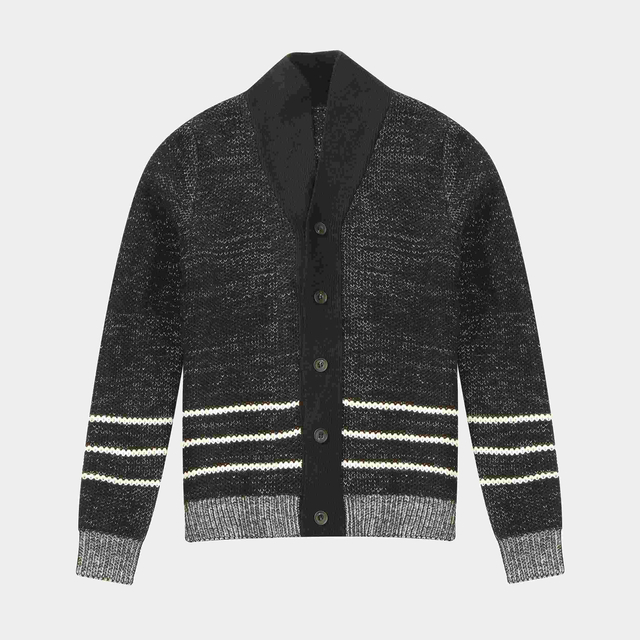
Yarn selection for knitwear is the systematic process of evaluating, testing, and choosing the optimal yarn material and construction for a specific garment application, considering factors that include fibre properties, yarn construction characteristics, cost and availability, sustainability credentials, and compatibility with the intended manufacturing process and consumer care requirements. The process extends beyond simply choosing a fibre type; it involves specifying exact yarn counts, twist levels, ply structures, and finishing treatments that together determine how the yarn will behave during knitting and how the finished fabric will perform in consumer use.
The complexity of yarn selection is amplified by the interdependence of yarn characteristics. Changing a single parameter—a fibre blend ratio, a twist multiplier, or a finishing treatment—can simultaneously affect multiple fabric properties, sometimes in conflicting directions. A yarn that produces excellent dimensional stability may sacrifice softness; a highly durable fibre blend may present colour-fastness challenges. Skilled yarn selection requires understanding these trade-offs and making choices that optimise overall product performance within the constraints of the target market, price point, and manufacturing capability.
Understanding the characteristics and trade-offs of each major yarn category enables informed selection decisions.
Wool remains the gold standard for traditional knitwear, prized for its natural warmth, moisture management, breathability, and resilience. Merino wool, harvested from Merino sheep, offers exceptional softness and fine fibre diameter (typically 17 to 24 microns), making it the preferred choice for next-to-skin knitwear including women's sweater tops and men's sweater base layers. The natural crimp of wool fibres creates excellent loft and air-trapping insulation, while its moisture-absorbing capacity (up to 30% of its weight without feeling wet) provides comfort across varying conditions.
Cashmere, harvested from the undercoat of Capra hircus goats, provides extraordinary softness and luxury positioning but at substantially higher cost and with greater care requirements. Other specialty animal fibres include mohair (Angora goat), alpaca, vicuna, and yak down, each offering distinctive aesthetic and performance characteristics that serve niche premium market segments. The responsible sourcing of animal fibres—including welfare standards for fibre-producing animals and land management practices in grazing regions—is an increasingly important consideration for brands with sustainability commitments.
Cotton yarn produces knitwear with excellent breathability, softness, and colour affinity, making it a popular choice for lightweight spring and summer sweater styles. Pima and Egyptian cotton varieties offer superior fibre length, producing smoother, stronger, and more lustrous yarns than standard upland cotton. Mercerisation treatment, which treats cotton yarn with caustic soda under tension, enhances lustre, strength, and dye uptake, improving the visual appeal and durability of cotton knitwear.
Other cellulosic fibres including linen (flax), hemp, bamboo viscose, and lyocell (Tencel) offer distinctive performance profiles. Linen provides exceptional coolness and durability with a characteristic textured aesthetic. Lyocell, produced through a closed-loop solvent spinning process, offers excellent moisture management and environmental credentials, making it increasingly popular in sustainable knitwear collections. Modal, a regenerated cellulosic fibre, provides exceptional softness and colour retention, often blended with cotton or wool to enhance fabric hand-feel.
Synthetic fibres including nylon, polyester, and acrylic offer specific performance advantages that pure natural fibre yarns cannot match. Nylon provides exceptional strength and elasticity, making it a common component in blended yarns where durability and shape retention are priorities. Polyester staple and filament yarns offer excellent colour fastness, wrinkle resistance, and dimensional stability at relatively low cost. Modern recycled polyester (rPET) provides a more sustainable synthetic option without sacrificing performance.
Acrylic yarn is valued for its wool-like appearance, colour versatility, and affordable price point. High-bulk acrylic fibres can be engineered to mimic the loft and warmth of wool at significantly lower cost, making them popular for budget and mid-market sweater lines. However, acrylic's environmental profile—including its petroleum base and microplastic shedding during washing—has prompted increasing scrutiny, driving interest in recycled and bio-based alternatives.
Specialist performance yarns address specific functional requirements beyond basic comfort and aesthetics. Moisture-wicking polyester and nylon yarns engineered with modified cross-sections transport perspiration away from the skin, serving athletic and outdoor sweater applications. Thermal-regulating yarns incorporating phase-change materials absorb and release heat to maintain comfortable body temperature. Antibacterial and odour-control yarns treated with silver ions, zinc compounds, or natural antimicrobial agents reduce bacterial growth and odour formation in high-activity wear.
Investing thoughtful effort in yarn selection delivers measurable benefits across quality, cost, and commercial performance dimensions.
Different end-use applications demand different fibre performance profiles. A fine-gauge summer cardigan requires a lightweight, breathable, soft-hand yarn that drapes fluidly, while a chunky winter pullover demands a warm, durable, dimensionally stable yarn that can support heavy stitch structures without sagging. Selecting the yarn that best matches the target application's performance requirements ensures that the finished garment delivers genuine consumer value rather than compromising across attributes.
Yarn typically represents 40 to 60% of the total production cost of a knitwear garment, making yarn selection the single largest cost driver in the product development process. Strategic yarn selection involves evaluating not only the per-kilogram price of candidate yarns but also the yield (metres per kilogram at a given gauge), knitting efficiency, waste rates, and finishing costs. A lower-priced yarn that produces higher waste, slower knitting speeds, or requires expensive finishing treatments may prove more costly overall than a premium yarn with superior processing characteristics.
Consumer and regulatory pressure for sustainable textile products has placed yarn sustainability at the centre of brand strategy. Certified organic fibres, responsibly sourced animal fibres, recycled materials, and low-impact dyeing processes all require specific yarn selection decisions. Brands with public sustainability commitments must ensure that their yarn choices can be substantiated with traceable documentation and recognised certifications.
The tactile and visual qualities of a knitwear garment—its softness against the skin, its surface texture, its drape and body, its colour richness—are overwhelmingly determined by the yarn. Consumer research consistently identifies hand-feel as one of the most influential factors in knitwear purchase decisions. Matching yarn selection to the intended aesthetic and tactile experience of the finished garment is therefore both a quality imperative and a commercial strategy.
Understanding the technical properties of different yarn types helps buyers make selection decisions grounded in measurable performance data.
Yarn count, expressed through systems such as tex, denier, or metric count, describes the linear density of the yarn. Finer counts produce lighter, more refined fabrics suitable for fine-gauge knitting, while heavier counts create chunkier fabrics for coarse-gauge production. The relationship between yarn count and machine gauge must be carefully matched—using a yarn that is too fine for a given gauge produces an open, unstable fabric, while a yarn that is too heavy strains machine components and produces irregular stitches.
Twist, measured as turns per metre (TPM) or twist multiplier, binds fibres together to create yarn cohesion and strength. Low-twist yarns produce soft, lofty fabrics but are more prone to pilling and snagging. High-twist yarns are stronger and more durable but can produce a harsh hand-feel. Z-twist and S-twist designations describe the direction of twist, which affects how plied yarns are constructed and how knitted fabric behaves. Understanding twist allows buyers to communicate precise yarn performance requirements to manufacturers and yarn suppliers.
Yarn evenness describes the uniformity of mass along the yarn length, measured using instruments that detect mass variations across short, medium, and long intervals. Poor evenness manifests as thick and thin places in knitted fabric, visible as irregular stitch size and surface texture. Hairiness measures the number and length of fibre ends protruding from the yarn surface, affecting both aesthetic appearance and processing behaviour during knitting and finishing.
The choice of yarn shapes the garment's performance, aesthetic, and market positioning across different application contexts.
Everyday sweater production prioritises value, durability, and easy care alongside comfort. Cotton-polyester blends, durable acrylic blends, and easy-care wool blends with superwash treatment serve this market well. These yarns offer the comfort of natural fibres with the practical advantages of synthetic components including machine washability, colour retention, and wrinkle resistance. Women's sweater casual lines benefit from soft hand-feel and good drape, while men's sweater lines emphasise durability and shape retention.
Professional knitwear requires refined aesthetics, consistent sizing after laundering, and resistance to pilling and surface deterioration. Fine-gauge Merino wool, Merino-silk blends, and high-quality cotton poplin-type constructions serve business knitwear applications. The yarn must maintain its appearance through repeated wearing and cleaning cycles while projecting a professional, polished image.
Performance sweater applications demand technical fibre performance including moisture management, thermal regulation, and abrasion resistance. Blends incorporating merino wool with synthetic performance fibres, 100% technical polyester constructions, and specialised functional yarn treatments serve this growing market segment. Consumers purchasing performance knitwear expect measurable functional benefits that must be engineered into the yarn selection and construction process.
Luxury knitwear positioning requires exceptional fibre quality, craftsmanship, and aesthetic distinction. Pure cashmere, cashmere-wool blends, superfine Merino, silk blends, and specialty fibres serve the luxury segment. These yarns demand more careful processing and finishing but reward with extraordinary softness, lustre, and comfort that justify premium pricing.
Specification | Spring River Knitting | Competitor A (Standard Supplier) | Competitor B (Budget Supplier) | Industry Average |
|---|---|---|---|---|
Minimum Yarn Order | 50 kg per colour | 200 kg per colour | 500 kg per colour | 200 kg |
Yarn Count Range Available | NM 2/28 to NM 2/120 | NM 2/16 to NM 2/60 | NM 2/8 to NM 2/30 | NM 2/16 to NM 2/60 |
Sustainable Yarn Options | GOTS, GRS, RWS certified | Limited organic | Minimal | Partial |
Yarn Traceability | Full farm-to-factory | Batch level | Mill certificate only | Partial |
Yarn Testing Capability | In-house lab testing | External lab | Mill certificate | External lab |
Custom Yarn Development | Yes, with MOQ | Limited | No | Limited |
Blended Yarn Options | Custom blends available | Standard blends | Basic blends | Standard blends |
MOQ for Custom Yarn | 100 kg | 300 kg | 1,000 kg | 300 kg |
Yarn Storage Conditions | Climate-controlled | Standard | Standard | Standard |
Lead Time for Yarn Procurement | 2–4 weeks | 4–6 weeks | 8–12 weeks | 4–8 weeks |
Sustainable fibre innovation is accelerating. The pipeline of next-generation sustainable fibres—including bio-based nylon from castor oil, cellulosic fibres from agricultural waste, and algae-based materials—is expanding rapidly. These materials promise reduced environmental footprints while maintaining or improving performance characteristics.
Recycled fibre quality is improving. Recycled wool and recycled cashmere, previously limited by quality variability, are achieving performance levels approaching virgin fibre through improved sorting, cleaning, and re-spinning technologies. The availability of high-quality recycled materials enables brands to offer sustainable knitwear without compromising on the quality consumers expect.
Traceability technology is becoming standard. Blockchain-based traceability platforms, digital product passports, and fibre tracking databases are enabling unprecedented transparency into yarn supply chains. Brands that invest in traceability capabilities can substantiate sustainability claims, respond to regulatory requirements, and differentiate their products.
Performance fibre convergence with sustainability. The traditional trade-off between performance and sustainability is narrowing as manufacturers develop synthetic fibres that combine functional performance with recycled content and improved end-of-life recyclability.
Before engaging yarn suppliers, establish clear answers to foundational questions: What is the target price point and resulting yarn cost ceiling? What fibre properties are essential (softness, warmth, durability, sustainability)? What care requirements will consumers expect? What gauge and construction will the design use? What sustainability certifications does your brand require? These answers narrow the field of suitable yarns dramatically and provide objective criteria for evaluation.
Always obtain physical yarn samples before committing to production. Evaluate the sample for evenness, twist consistency, colour depth and uniformity, and hand-feel. Request that the manufacturer knit a small swatch in the intended gauge and construction, as yarn behaves differently in fabric than it appears on the cone. Wash the swatch to assess dimensional stability and colour fastness. Physical sample evaluation provides insight that specification sheets cannot convey.
Evaluate yarn suppliers on their ability to produce consistent quality across large orders and repeat orders, their lead time reliability, their financial stability, their technical support capabilities, and their commitment to sustainability and regulatory compliance.
Yarn pricing typically follows volume discount structures, with significant price breaks at higher order quantities. Negotiate MOQs that align with your actual order volumes, and explore whether suppliers offer blanket order arrangements that reserve capacity at agreed prices with scheduled call-offs. Understanding the full cost structure—yarn price, delivery, duties, quality testing, and storage—provides the foundation for accurate product costing.
Yarn availability can vary seasonally, particularly for natural fibres affected by annual clip quantities. Build yarn continuity planning into your product development calendar, securing yarn commitments well in advance of planned production windows. For seasonal lines, identify alternative yarn options that could substitute if primary choices become unavailable.
Yarn suppliers who view your business as a strategic partnership provide value beyond transactional supply. They share market intelligence on fibre price trends, proactively recommend yarn innovations aligned with your product strategy, and prioritise your orders during periods of tight supply.
Natural fibre prices fluctuate based on supply conditions, weather events, and market speculation. Staying informed about wool, cotton, and cashmere market trends through industry publications and supplier briefings enables proactive purchasing decisions that protect margins.
Yarn selection should not be a siloed decision. Bringing together commercial, design, technical, and quality perspectives ensures that the chosen yarn satisfies all relevant requirements—market appeal, technical performance, manufacturing compatibility, cost structure, and sustainability credentials.
What is the difference between ring-spun and open-end spun yarn?
Ring-spun yarn is produced by drafting and twisting fibres on a traditional ring spinning frame, producing a smooth, strong, fine yarn with excellent fibre alignment. Open-end spun yarn is produced by rotor spinning, offering higher production speed at lower cost but with slightly lower quality and a different hand-feel. For knitwear applications, ring-spun yarns are generally preferred for visible stitch definition and smooth surface appearance.
How does fibre micron count affect knitwear quality and comfort?
Fibre micron count—the diameter of individual fibres measured in micrometres—is a primary determinant of softness and skin comfort. Lower micron counts indicate finer, softer fibres. Standard wool averages 20 to 25 microns. Merino wool typically ranges from 17 to 24 microns and is comfortable for most people. Cashmere fibres range from 14 to 19 microns and feel distinctly soft.
What certifications should I require for sustainable knitwear yarn?
Relevant sustainability certifications include GOTS (Global Organic Textile Standard) for organic cotton and linen, GRS (Global Recycled Standard) for recycled fibres, RWS (Responsible Wool Standard) for wool, RDS (Responsible Down Standard) for down fill, OEKO-TEX Standard 100 for harmful substance testing, and Bluesign for chemical management in processing.
What is superwash wool and when should I specify it?
Superwash wool is wool yarn treated to remove or coat the fibre scales that cause felting and shrinkage during machine washing. Superwash wool enables machine washing and drying, significantly expanding the practical care range for wool knitwear. Specify superwash treatment when your target consumers expect easy-care properties.
How do I assess colour fastness for my knitwear?
Colour fastness is evaluated through standardised tests including wash fastness (ISO 105-C01 to C10), light fastness (ISO 105-B02), rub fastness (ISO 105-X12 for both dry and wet rub), perspiration fastness (ISO 105-E04), and water fastness (ISO 105-E01). Each test produces a rating on a 1-to-5 scale.
What is the impact of yarn twist direction on knitted fabric appearance?
The direction of twist (Z-twist or S-twist) affects how singles yarns behave when plied together and how the resulting fabric lies flat and drapes. Inconsistent twist can cause spiralling in completed garments, particularly visible in rib structures and cable patterns.
Yarn selection is the foundation upon which all subsequent knitwear quality, performance, and commercial success is built. The fibre properties, construction characteristics, and processing history of the yarn determine not only how the fabric looks and feels but also how it will behave through knitting, finishing, consumer care, and extended wear. For brands developing women's sweater and men's sweater products, investing the time and expertise needed to make strategic yarn selection decisions is one of the highest-return activities in the product development process.
Understanding the full range of available yarn options—from premium cashmere and superfine Merino through innovative sustainable blends and high-performance technical fibres—enables buyers to match material choices precisely to product requirements. Combining this material knowledge with rigorous supplier evaluation, physical sample testing, and clear specification communication creates the conditions for consistent, high-quality knitwear production. As the knitwear industry continues to evolve toward greater sustainability requirements and performance sophistication, the brands that master yarn selection will be best positioned to deliver products that satisfy both demanding consumers and the pressures of a rapidly changing global marketplace.


